
 See Our Latest Article on HelloNation
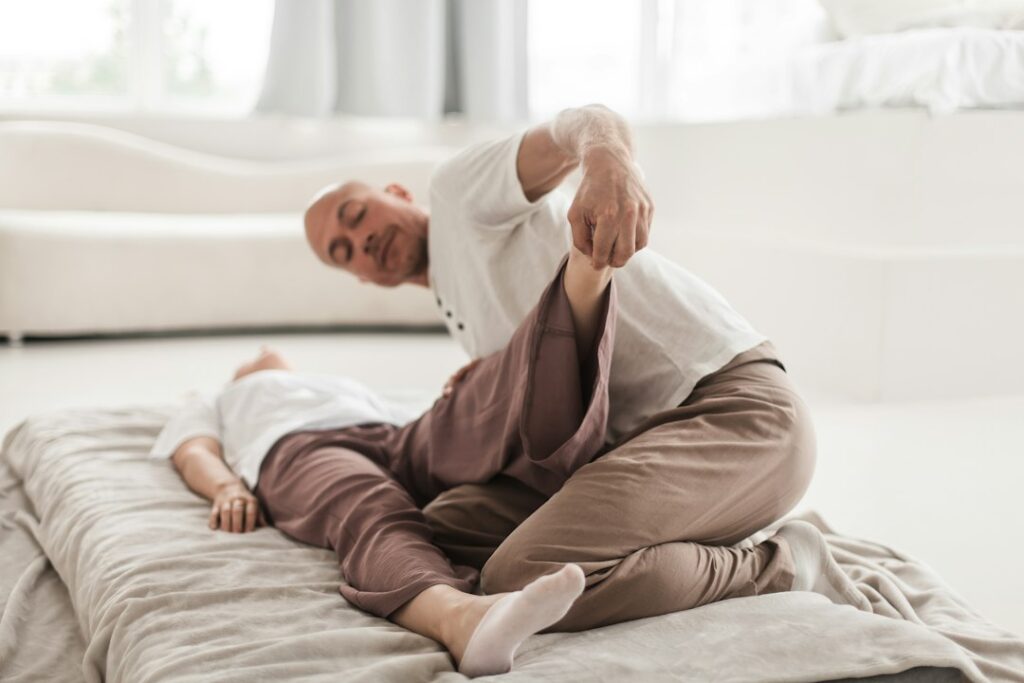
Waking up with back pain can make a simple movement—sitting up and standing—feel surprisingly difficult. The safest approach is usually to avoid a sudden forward bend or twisting motion and instead use a slow “log roll” technique that keeps the shoulders, hips, and legs moving together.
What should you do first when you wake up with back pain?
Before trying to stand, take a moment to notice how the pain feels. A brief period of stiffness may improve with careful movement, while severe or unusual symptoms may require medical attention.
If the pain is mild to moderate and there are no warning signs:
- Take several slow breaths.
- Bend your knees slightly if that feels comfortable.
- Avoid quickly sitting straight up from your back.
- Move gradually rather than testing the painful area with a sudden stretch.
Morning stiffness can be more noticeable after several hours in one position. Cold winter temperatures in Fishkill may also make muscles and joints feel tighter when first getting moving, especially in bedrooms, basements, or homes with uneven overnight heating. Warm clothing and a few unhurried movements may help, but pain should not be forced.
How do you get out of bed without twisting your back?
The log roll method can reduce bending and rotation through the lower back.
1. Lie on your back with your knees bent, if possible.
2. Roll onto your side as one unit. Keep your shoulders and hips moving together rather than letting the upper body twist separately.
3. Let your legs move toward the edge of the bed.
4. At the same time, use your hands and forearm to gently push your upper body up.
5. Sit on the edge of the bed with both feet supported.
6. Pause before standing. Take a breath and make sure you are not dizzy or unsteady.
7. Push through your legs and use the bed for balance if needed.
The key is to avoid combining two stressful movements at once, such as twisting while reaching for the floor. Do not pull yourself up by sharply bending forward or jerking your upper body upright.
A firm mattress edge, stable bedside furniture, and a clear path to the bathroom can make this process easier. Avoid using a lightweight nightstand or rolling table as a handhold.
Why does standing up hurt more than lying down?
Standing requires the back and hip muscles to support the body against gravity. If those muscles are irritated or stiff, the transition from lying to standing may briefly increase pain.
The first steps may feel uncomfortable because the spine, hips, and legs have not yet adjusted to bearing weight. This does not necessarily mean that standing is causing damage. However, pain that is sharp, rapidly worsening, or accompanied by leg weakness should not be ignored.
Once upright, remain still for a few seconds. Shift your weight gently from one foot to the other, then walk slowly. Short, easy movement is often better than staying in bed for most of the day, provided there is no serious injury or medical warning sign.
Should you stretch before getting out of bed?
Gentle movement may help, but aggressive stretching is not a good first step during an acute flare-up. Avoid forcing your knees to your chest, twisting deeply, or trying to “crack” the back while pain is intense.
You might try:
- Slowly flexing and relaxing the ankles.
- Gently tightening the abdominal muscles for a few seconds, then relaxing.
- Moving one knee slightly at a time, only if it does not increase pain.
- Taking a short walk after standing.
Stop any movement that causes pain to travel farther down the leg, produces numbness or tingling, or creates a sudden increase in symptoms. A movement that feels mildly stiff is different from one that causes sharp or spreading pain.
What sleeping position may make mornings easier?
There is no single position that works for everyone, but neutral support can reduce strain.
For side sleeping, placing a pillow between the knees may help keep the pelvis from rotating forward. The pillow should be thick enough to prevent the top leg from dropping sharply toward the mattress.
For back sleeping, a pillow under the knees can reduce the amount of arching in the lower back. The head pillow should support the neck without pushing the chin strongly toward the chest.
Stomach sleeping can place the back and neck in prolonged rotation, although changing position immediately may not be realistic. If discomfort is worse after sleeping on the stomach, gradually experimenting with side or back sleeping may be more comfortable.

A mattress that is extremely soft or sagging can make turning and rising harder. The goal is not necessarily a very firm surface; it is a stable sleeping surface that allows the body to remain supported.
What can help after you are up?
For a recent strain without warning signs, brief use of cold or warmth may provide comfort. A cold pack can be useful after a new aggravation, while warmth may feel better for stiffness or muscle tightness. Keep a cloth barrier between the skin and the cold or heat source, and limit use if the skin becomes numb, irritated, or unusually red.
Over-the-counter pain medication may help some adults, but it is not appropriate for everyone. Stomach ulcers, kidney disease, blood thinners, pregnancy, medication interactions, and other health conditions can affect which products are safe. Follow the label and ask a pharmacist or medical clinician when uncertain.
Try to change positions regularly during the day. Long periods of bed rest may increase stiffness and make the next transition harder. Light household activity can be reasonable if it does not significantly worsen symptoms.
When is back pain after waking an emergency?
Seek urgent medical care for back pain accompanied by:
- New loss of bladder or bowel control.
- Numbness around the inner thighs, groin, or buttocks.
- Significant or worsening weakness in one or both legs.
- Inability to walk safely.
- Fever, unexplained weight loss, or feeling seriously ill.
- Severe pain after a fall, collision, or other injury.
- Back pain with chest pain, shortness of breath, or severe abdominal symptoms.
Prompt medical evaluation is also appropriate when pain is constant, progressively worsening, repeatedly disrupting sleep, or not improving with reasonable self-care. People with a history of cancer, significant osteoporosis, immune suppression, or prolonged steroid use may need earlier assessment after new back pain.
Most uncomplicated episodes improve gradually, but the pattern matters. Keeping track of what makes symptoms better or worse—sleep position, lifting, sitting, walking, or morning temperature—can help identify useful adjustments and provide clearer information if evaluation becomes necessary.
How can you prepare for the next morning?
Before going to bed, place essential items within easy reach and keep the floor clear. In homes where winter footwear, coats, or heating equipment crowd a bedroom or hallway, remove trip hazards before turning in. A night-light can be useful if pain or stiffness makes walking slowly more likely.
The next morning, repeat the same sequence: roll to the side, lower the legs, push up with the arms, pause while seated, and stand using the legs. Consistency can reduce the temptation to move suddenly when discomfort is greatest.
If getting out of bed remains difficult for several days, or if the pain repeatedly returns, an individualized examination can help distinguish ordinary muscle strain from nerve irritation, joint problems, or another condition requiring different care.
