
 See Our Latest Article on HelloNation
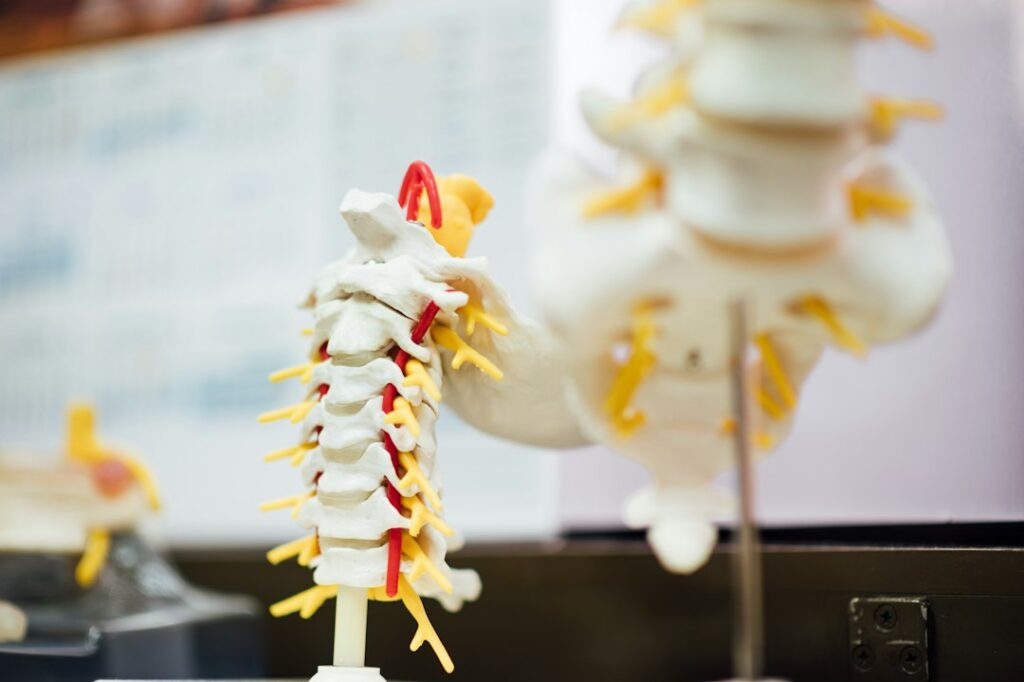
What does regular spinal maintenance mean?
Regular spinal maintenance refers to periodic evaluation and conservative care intended to support comfortable movement, physical function, and self-management. It does not mean that every person needs routine spinal adjustments indefinitely, nor does it guarantee that back or neck pain will be prevented.
For residents of Fishkill, NY, the idea may be relevant after recovering from an episode of low back pain, neck stiffness, or a movement-related injury. A maintenance approach may include spinal manipulation or mobilization, exercise guidance, mobility work, posture education, and advice about daily activities. The specific combination should be based on symptoms, health history, examination findings, and response to care.
The strongest evidence for spinal manipulation concerns certain types of low back pain. Benefits are generally modest and may include short-term reductions in pain and improvements in function. Results vary, and spinal care is usually most useful as part of a broader plan that includes remaining active and building physical capacity.
What are the possible benefits?
Regular care may help some people manage recurring musculoskeletal symptoms and maintain daily activities. Potential benefits include:
- Improved ability to bend, turn, walk, sit, or stand comfortably
- Reduced stiffness after periods of inactivity
- Better awareness of movement habits that contribute to discomfort
- Support for returning to exercise, household tasks, or work-related activity
- A structured opportunity to review symptoms before they significantly limit function
These benefits are not automatic. A person may feel better because of hands-on treatment, movement practice, education, natural recovery, or a combination of factors. A useful care plan should track meaningful outcomes, such as walking farther, sleeping more comfortably, lifting with less difficulty, or completing routine activities with fewer symptoms.
Regular spinal care should not be presented as a way to “realign” the body permanently or prevent unrelated diseases. There is no reliable evidence that spinal manipulation prevents infections, improves general immunity, or eliminates the normal effects of aging.
Can maintenance care prevent back pain?
Not reliably. Back pain has many possible contributors, including muscle conditioning, joint irritation, previous injury, sleep disruption, stress, prolonged sitting, repetitive lifting, and other health conditions. Even people who exercise and use careful body mechanics can experience flare-ups.
Maintenance care may help an individual who has a pattern of recurring symptoms, especially when it is combined with an exercise program and practical changes at home or work. However, there is not one schedule that works for everyone. Some people may need only occasional reassessment, while others may benefit from a short course of care during a flare-up followed by independent exercise.
A reasonable approach is to continue only when care produces a clear, functional benefit. If symptoms, mobility, or activity tolerance do not improve over time, the plan should be reassessed rather than continued automatically.
How does it fit with exercise and daily habits?
Hands-on treatment is only one part of maintaining spinal function. The spine is influenced by the strength and coordination of the hips, legs, abdominal muscles, shoulders, and upper back. Regular movement often plays a central role in long-term improvement.
Helpful habits may include:
- Taking brief movement breaks during long periods of sitting
- Gradually strengthening the legs, hips, trunk, and upper back
- Walking or performing another tolerable form of aerobic activity
- Practicing lifting with the load close to the body
- Changing positions rather than trying to maintain one “perfect” posture
- Adjusting activity gradually after an injury instead of avoiding movement indefinitely
Seasonal routines can also affect symptoms. Snow removal, carrying winter equipment, preparing outdoor areas, gardening, and home maintenance may place unusual demands on the back and shoulders. Sudden increases in these activities are more likely to cause trouble than the mere presence of a particular season. Warming up, using manageable loads, alternating tasks, and taking breaks can reduce unnecessary strain.
Is spinal maintenance appropriate for everyone?
No. A history of spinal pain does not automatically make routine manipulation appropriate. Care should be adapted for people with osteoporosis, inflammatory conditions, recent trauma, blood-clotting problems, certain neurological disorders, or other medical concerns. Pregnancy, recent surgery, and the use of medications that affect bleeding or bone health may also require additional caution.
Neck manipulation deserves especially careful discussion because the neck contains important nerves and blood vessels. Temporary soreness, stiffness, or headache can occur after manual treatment. Serious complications are uncommon, but informed decision-making requires an honest discussion of potential risks, alternatives, and expected benefits.
Imaging is not automatically necessary for ordinary back pain. It may be considered when the history or examination suggests a fracture, infection, cancer, significant nerve involvement, or another condition that needs medical evaluation.
When should back or neck pain be evaluated promptly?
Some symptoms should not be treated as routine muscle or joint discomfort. Prompt medical evaluation is appropriate for:

- New loss of bladder or bowel control
- Numbness in the groin or inner thighs
- Progressive weakness in an arm or leg
- Severe pain after a fall, collision, or other trauma
- Fever, unexplained weight loss, or feeling seriously unwell
- Persistent night pain that is unusual for the individual
- A history of cancer, serious infection, or significant bone fragility
- Sudden severe headache, dizziness, fainting, vision changes, or other neurological symptoms after neck symptoms or treatment
These warning signs do not identify a diagnosis by themselves, but they can indicate a need for medical assessment rather than routine maintenance care.
What should a person expect from a responsible plan?
A responsible plan begins with a health history and physical assessment, followed by a clear explanation of what treatment is intended to do. It should identify measurable goals and include advice for self-management.
Questions worth asking include:
- What problem is this treatment intended to address?
- How will improvement be measured?
- What exercises or activity changes can be done independently?
- How often will progress be reviewed?
- What symptoms would require a different type of evaluation?
- What are the alternatives to manipulation or mobilization?
For many people, the most durable benefit comes from improving strength, mobility, confidence, and activity tolerance. Hands-on care may provide temporary relief or make movement easier, but lasting progress generally depends on what happens between visits.
Regular spinal maintenance is best understood as an individualized option, not a universal requirement. Its value depends on whether it helps a person function better, manage symptoms more effectively, and remain active without creating unnecessary treatment or expense.
