
 See Our Latest Article on HelloNation
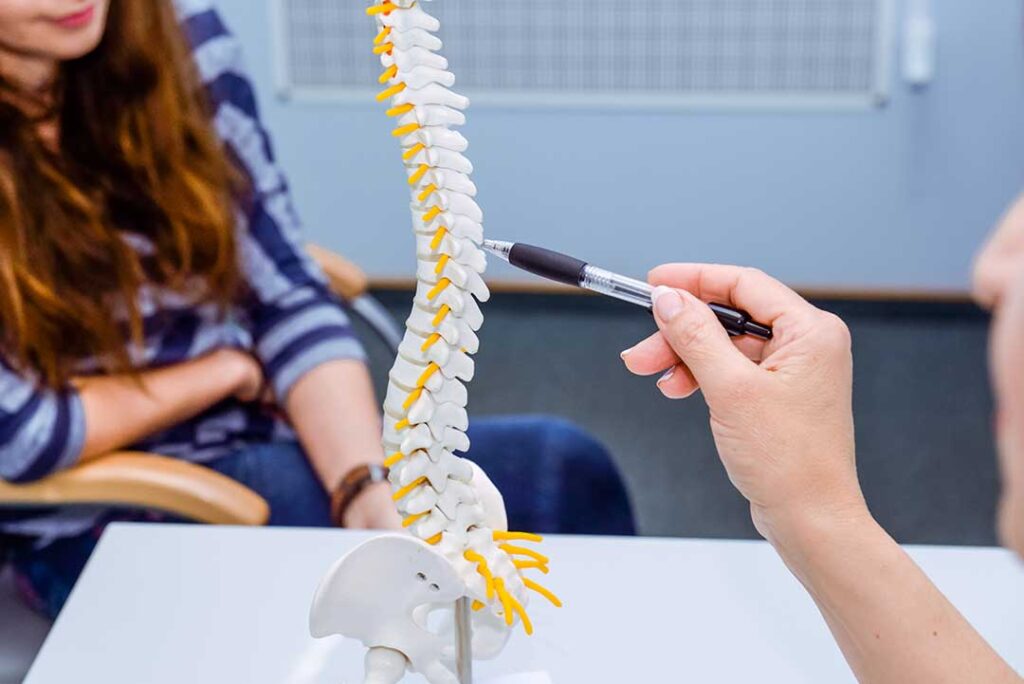
Long car rides, airport seating, luggage handling, and disrupted routines can all aggravate the lower back. Preventing travel-related discomfort usually depends less on finding a “perfect” posture and more on changing positions regularly, lifting carefully, and planning movement into the trip.
For residents of Fishkill, NY, this can matter during winter travel, holiday visits, long drives, and trips that combine highway time with extended sitting at terminals or stations.
Why does travel trigger lower back pain?
Travel often keeps the body in one position for too long. Sitting with the hips and knees bent can increase stiffness, while reaching for bags, twisting into a car, or lifting luggage from the trunk adds sudden strain. Vehicle vibration, road jolts, and poorly adjusted seats may make symptoms more noticeable.
Prolonged sitting is not automatically harmful, but a static posture gives the back fewer opportunities to move and share the workload. Bending, twisting, reaching, and lifting at the same time are particularly common contributors to travel-related strain. ([cdc.gov](https://www.cdc.gov/niosh/engcontrols/ecd/detail25.html?utm_source=openai))
A useful goal is not to keep the spine rigid. It is to support a comfortable, relatively neutral position while changing posture before stiffness builds.
How should a car seat be adjusted for a long trip?
Adjust the seat so the body is supported without forcing the driver or passenger to reach forward. The seat should allow the hips to sit back, the knees to remain slightly bent, and the feet to reach the pedals or floor without stretching.
Before leaving, check these points:
- Move the seat close enough that the knees are not locked while operating the pedals.
- Keep the backrest fairly upright rather than reclined so the head and trunk do not drift forward.
- Position the steering wheel, when driving, so the shoulders can stay relaxed and the elbows remain slightly bent.
- Use the built-in lumbar support if it feels comfortable. If not, a small rolled towel can sometimes fill the gap at the low back.
- Keep frequently used items within easy reach rather than on the floor behind the seat.
Avoid placing a thick wallet, phone, or hard object in a back pocket for hours. Uneven pressure under one side of the pelvis can make sitting less comfortable.
How often should travelers stop and move?
For a long car trip, plan regular breaks rather than waiting until the back hurts. A brief stop to walk, stand, and gently move the hips and legs is usually more useful than remaining seated until the destination.
During a stop, try walking for a few minutes, then performing easy movements such as:
- Gentle standing back bends with the hands resting on the hips, if comfortable
- Slow shoulder rolls
- Ankle pumps and calf stretches
- Easy hip and hamstring movements without forcing a deep stretch
People traveling by plane, bus, or train can also move the ankles, tighten and release the leg muscles, and stand or walk when it is safe to do so. Long periods of sitting during travel can also raise the risk of blood clots, particularly for people with certain medical risk factors. The CDC advises moving the legs frequently and taking walking breaks during longer trips. ([cdc.gov](https://www.cdc.gov/blood-clots/risk-factors/travel.html?utm_source=openai))
The right frequency depends on the trip and the individual, but “move before pain becomes intense” is a practical rule.
What is the safest way to lift luggage?
Luggage is often more stressful to the back than the sitting itself. Problems commonly occur when a person bends over a trunk, twists, and lifts a heavy bag in one motion.
A safer sequence is:
1. Stand close to the suitcase or bag.
2. Face the object instead of twisting from the waist.
3. Bend through the hips and knees while keeping the load near the body.
4. Tighten the abdomen gently as the lift begins.
5. Rise using the legs, then turn with the feet rather than rotating the trunk.
6. Place the bag down in the same controlled manner.
Avoid lifting a heavy suitcase from the floor directly into an overhead compartment if doing so causes straining, leaning, or twisting. Ask for assistance when the load is awkward, unstable, or clearly beyond comfortable control. A lighter suitcase divided into two manageable bags may be easier to handle than one very heavy piece.
Can stretching before travel prevent pain?
Gentle movement before a trip may help the body transition from rest to sitting, but aggressive stretching is not necessary. Stretching cannot fully offset six or eight hours of immobility.
Before getting into a vehicle, a short walk and a few comfortable movements may be more useful than holding intense stretches. During the trip, avoid bouncing or forcing a stretch. A movement that causes sharp, shooting, or increasing pain should be stopped.
If a person already has back pain, exercises should match their symptoms and physical condition. General movement is often helpful, but a new exercise should not be used to push through worsening pain. NHS guidance includes gentle activity and exercises as part of self-management for many episodes of back pain, while emphasizing that symptoms requiring urgent attention should not be ignored. ([nhs.uk](https://www.nhs.uk/conditions/back-pain/?source=post_page—————————&utm_source=openai))
What should travelers do during winter trips?
Winter conditions around the Hudson Valley can add extra challenges. Bulky coats may interfere with seat-belt positioning, icy ground can make loading luggage unstable, and cold temperatures may encourage people to remain seated longer during stops.

Practical precautions include:
- Remove a bulky outer coat before fastening the seat belt, when appropriate, so the belt rests securely across the body.
- Choose cleared, level surfaces for loading bags.
- Avoid rushing on icy pavement while carrying luggage.
- Warm up with walking before attempting strenuous lifting.
- Keep the trunk organized so bags do not need to be dragged or twisted out from underneath other items.
Cold weather does not directly “cause” every episode of back pain, but reduced movement, muscle guarding, and awkward footing can make travel discomfort more likely.
When is lower back pain a reason to delay travel?
Mild stiffness that improves with movement is often manageable, but severe or unusual symptoms deserve medical attention before a long trip. Seek prompt medical guidance for back pain accompanied by new leg weakness, loss of bladder or bowel control, numbness in the groin area, fever, unexplained weight loss, or significant pain after a fall or collision.
Travel-related leg swelling, especially when limited to one leg, requires attention. Sudden shortness of breath, chest pain, fainting, or coughing blood may indicate a serious blood-clot complication and requires immediate emergency care. ([cdc.gov](https://www.cdc.gov/blood-clots/risk-factors/travel.html?utm_source=openai))
A trip plan should also account for existing conditions, recent surgery, recent injury, a previous blood clot, pregnancy, or medications that affect clotting. Individual guidance is especially important when travel will involve many hours of restricted movement.
A simple travel checklist
Before departure, consider:
- Adjusting the seat and testing the position before the trip begins
- Packing lighter bags that can be lifted without twisting
- Scheduling movement breaks into the route
- Keeping water and essential items accessible
- Wearing shoes that provide stable footing during stops
- Avoiding long periods of sitting after arriving
- Allowing extra time so luggage handling is not rushed
The most reliable strategy is consistency: supported sitting, frequent position changes, careful lifting, and attention to warning signs. These habits can make long-distance travel more manageable without relying on a single posture, device, or stretch.
