
 See Our Latest Article on HelloNation
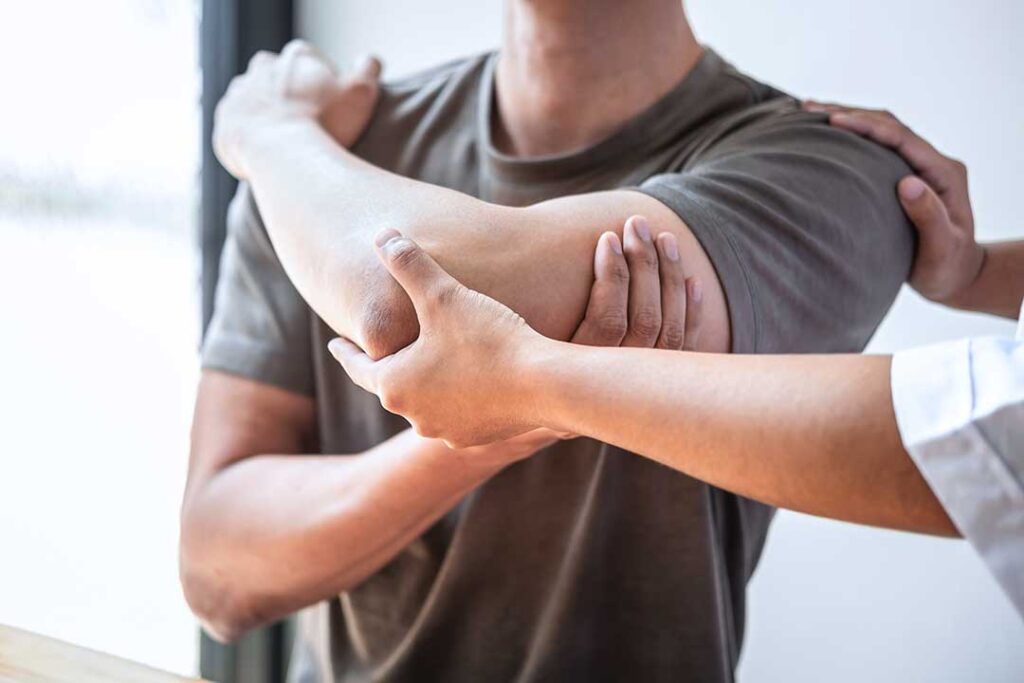
What role can chiropractic care play after a sports injury?
Chiropractic care may help some people with sports-related muscle, joint, and spine problems by reducing pain, improving movement, and supporting a gradual return to activity. It is generally most useful as one part of a broader recovery plan rather than as a replacement for urgent medical evaluation, rehabilitation, or rest.
Sports injuries vary widely. A weekend runner may develop an irritated tendon, while a basketball player may experience an ankle sprain, knee strain, or lower-back problem. Treatment should match the injury, its severity, the person’s age and health history, and the demands of the activity.
A chiropractic evaluation may include:
- Questions about how the injury happened and which movements cause symptoms
- Assessment of joint motion, muscle tenderness, balance, posture, and strength
- Screening for signs that require referral for imaging or medical care
- Manual therapy, mobility exercises, and guidance on gradually resuming activity
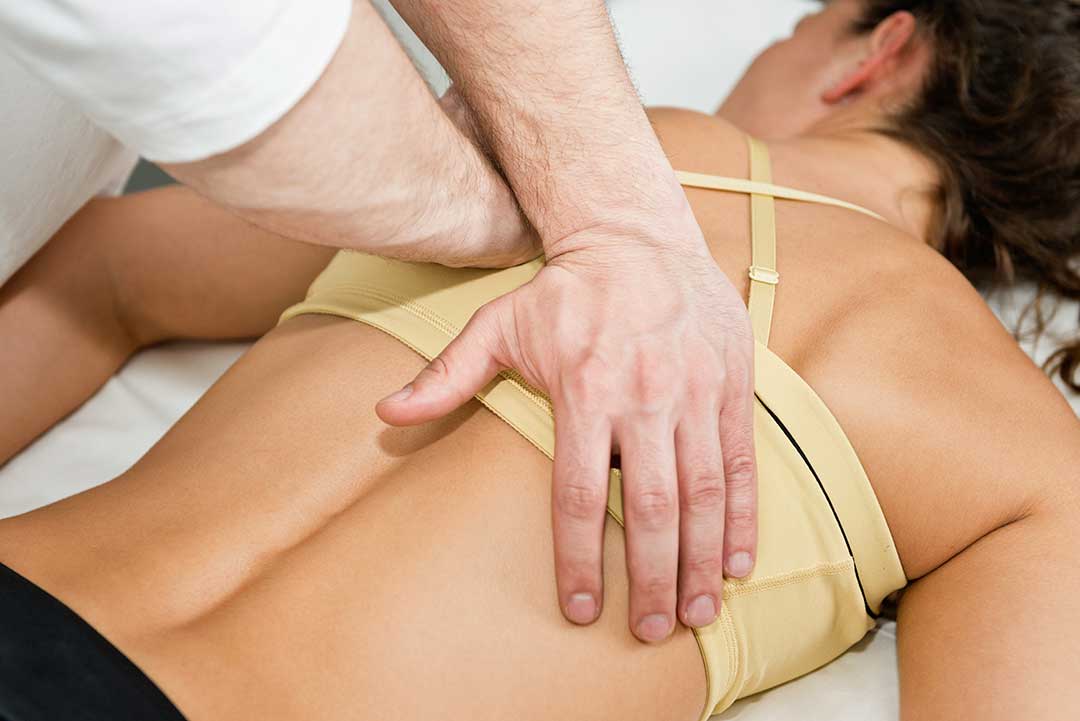
Spinal manipulation is one treatment sometimes used in chiropractic care. Evidence is strongest for modest improvements in pain and function for certain types of low-back pain, but research on specific sports injuries is more limited and does not support treating every injury with manipulation. ([nccih.nih.gov](https://www.nccih.nih.gov/health/spinal-manipulation-what-you-need-to-know?utm_source=openai))
Which sports injuries may respond to chiropractic treatment?
Chiropractic care may be considered for uncomplicated musculoskeletal problems, particularly when stiffness or altered movement continues after the initial injury has settled. Examples can include mechanical low-back pain, some neck and upper-back problems, joint stiffness, and movement limitations related to muscle strains.
It may also be used alongside exercise-based rehabilitation for problems involving:
- Repetitive running or throwing stresses
- Reduced hip, ankle, shoulder, or spinal mobility
- Muscle tightness after a period of altered movement
- Mild activity-related aches that do not involve significant swelling, instability, or loss of function
The goal is not simply to “put something back into place.” Joints do not usually become displaced because of ordinary athletic activity and then remain corrected by repeated adjustments. A more realistic goal is to identify painful or restricted movement, reduce unnecessary strain, and restore useful function through appropriate hands-on care and active exercises.
For many injuries, strengthening and coordination work are at least as important as manual treatment. A runner with recurring knee pain, for example, may need to address training volume, footwear, hip strength, ankle mobility, running surface, and recovery time rather than focus only on the painful area.
Can chiropractic care speed up recovery?
It may help recovery by making movement more comfortable, but it cannot reliably shorten the healing time of damaged tissue. Ligaments, tendons, muscles, and bones heal at different rates, and returning to sports too quickly can turn a manageable injury into a persistent one.
A sensible recovery plan usually progresses through stages:
1. Protect the injured area: Reduce movements that sharply increase pain or swelling.
2. Restore comfortable motion: Use gentle, tolerable movement rather than forcing a stiff joint.
3. Rebuild strength and control: Add progressive resistance, balance, and sport-specific drills.
4. Test function: Practice the movements required for the activity, such as cutting, landing, lifting, or throwing.
5. Return gradually: Increase intensity and duration only when symptoms remain stable.
Pain relief alone does not prove that an injury is ready for competition. An athlete may feel better while still lacking strength, balance, or tissue tolerance. Return-to-play decisions should consider function, not just the absence of pain. The American College of Sports Medicine emphasizes that athletes recover at different rates and that suspected concussion symptoms require particular caution. ([acsm.org](https://acsm.org/wp-content/uploads/2025/02/Back-Into-Action-A-Coaches-Guide-PDF.pdf?utm_source=openai))
When should someone seek medical evaluation first?
Certain symptoms should not be managed as a routine chiropractic problem. Prompt medical assessment is appropriate after a significant collision, fall, or twisting injury when there is severe pain, visible deformity, inability to bear weight, or rapidly increasing swelling.
Evaluation is also important for:
- Numbness, weakness, or loss of coordination
- Pain that travels down an arm or leg
- Repeated joint buckling or a feeling that the joint is unstable
- Persistent night pain, fever, or unexplained weight loss
- Suspected fracture or stress fracture
- Symptoms that keep worsening despite reduced activity
Stress fractures deserve special attention. Continuing to train through recurring, localized bone pain can allow a small bone injury to progress. Frequent pain that appears during sports activity should be assessed rather than repeatedly masked with pain medication or manual treatment. ([orthoinfo.aaos.org](https://orthoinfo.aaos.org/en/diseases–conditions/stress-fractures?utm_source=openai))
Head and neck injuries require additional caution. Confusion, disorientation, headache, vision problems, nausea, unusual drowsiness, or memory difficulty after a blow may indicate concussion. Chiropractic treatment should not delay emergency or sports-medicine evaluation in that situation.
Sudden or severe neck pain accompanied by neurological symptoms, such as weakness, difficulty speaking, facial drooping, or unusual dizziness, requires emergency care. Neck manipulation also deserves individualized risk discussion because rare serious complications have been reported, and sudden neck movements can be associated with artery injury. ([nccih.nih.gov](https://www.nccih.nih.gov/health/spinal-manipulation-what-you-need-to-know?utm_source=openai))
What should residents consider during local sports seasons?
In Fishkill, outdoor activity changes substantially across the year. Cooler temperatures can make warm-up feel less effective, while snow, ice, wet pavement, and uneven trails can increase slipping or awkward landing risks. Indoor winter training may also create a sudden increase in repetitive practice when athletes move from lower activity levels to demanding workouts.
Useful precautions include:
- Begin with several minutes of gradually increasing activity before intense drills.
- Increase weekly training volume conservatively after a break.
- Replace wet, worn, or unstable footwear when it no longer provides reliable support.
- Treat recurring pain as information rather than something to ignore.
- Build rest days into training, especially after tournaments or long runs.
- Maintain strength and balance work even during the off-season.
Household athletes may also underestimate ordinary activities such as shoveling, carrying equipment, or cleaning up after outdoor recreation. A back or shoulder problem can arise from the combination of sports training and these additional physical demands.
Is chiropractic care a substitute for physical therapy or medical care?
Usually, no. Chiropractic care, physical therapy, primary medical care, orthopedic care, athletic training, and emergency services have different roles. Some people may benefit from coordinated care, especially when an injury affects strength, balance, work duties, or the ability to participate safely.
A useful treatment plan should explain the likely diagnosis, expected timeline, activities to limit, exercises to perform, and signs that indicate a need for reassessment. It should also avoid promising that one technique can correct every sports injury.
For uncomplicated movement-related pain, chiropractic care may be a reasonable conservative option when paired with active rehabilitation and sensible activity modification. The central question is not whether an athlete received an adjustment, but whether the injury is improving, function is returning, and the person can resume activity without compensating or worsening symptoms.
