
 See Our Latest Article on HelloNation
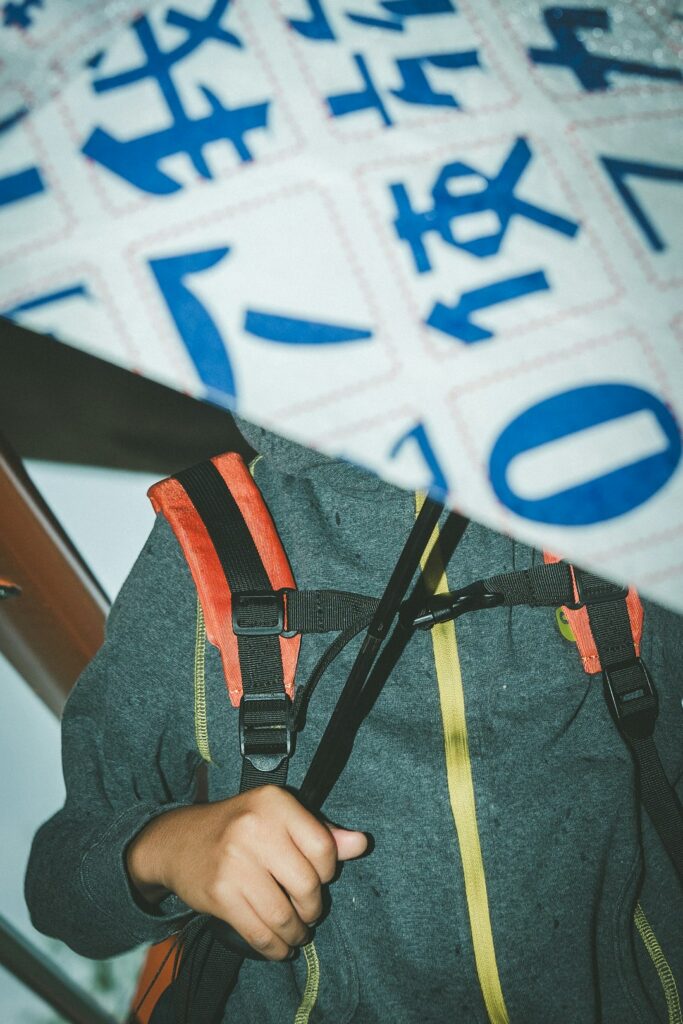
A school backpack is a routine part of childhood, but carrying too much weight day after day can contribute to discomfort, altered posture, muscle fatigue, and avoidable strain. For families in Fishkill, NY, a few simple checks can make a backpack safer during long walks, bus rides, school transitions, and winter travel.
How heavy is too heavy for a child’s backpack?
A loaded backpack should generally weigh no more than 10% to 15% of a child’s body weight. Staying closer to 10% may be more comfortable for younger children, children with existing pain, or students who carry their bags for extended periods.
Examples include:
- A 50-pound child: about 5 to 7.5 pounds
- A 70-pound child: about 7 to 10.5 pounds
- A 90-pound child: about 9 to 13.5 pounds
- A 120-pound child: about 12 to 18 pounds
These figures include everything inside the backpack, including books, folders, lunch, water, sports clothing, electronics, and personal items. A backpack that feels manageable for a short walk may become tiring if a student wears it throughout the school day or carries it over uneven, icy, or snow-covered ground.
The percentage is a practical safety guideline rather than a guarantee that every child will remain symptom-free. A well-fitted backpack that weighs 12% of body weight may be more comfortable than a poorly fitted bag that weighs 8%.
What does excess weight do to the body?
A heavy backpack shifts a child’s center of gravity backward. To compensate, the child may lean forward, round the shoulders, arch the lower back, or change the way they walk. These adjustments can increase workload for the muscles of the neck, shoulders, upper back, and lower back.
Children may notice:
- Aching in the shoulders, neck, or back
- Tingling or numbness from tight shoulder straps
- Red marks or pressure around the shoulders
- Headaches related to muscle tension
- Arm fatigue or weakness
- Difficulty standing upright after removing the backpack
- A tendency to lean to one side
- Shorter steps or an awkward walking pattern
A heavy backpack does not normally cause scoliosis, and it does not permanently bend a healthy child’s spine. However, repeated loading can aggravate existing muscle or joint discomfort and may make daily activities more tiring.
Pain should not be dismissed simply because a child is growing. Persistent symptoms deserve attention, particularly if they interfere with sleep, sports, school participation, or normal movement.
How should a backpack fit?
The backpack should rest against the child’s back rather than hang several inches below the waist. The bottom should sit near the curve of the lower back, not against the buttocks. The top should remain below the base of the neck.
Both shoulder straps should be used. Wearing a backpack on one shoulder concentrates the load on one side and encourages uneven posture. Straps should be adjusted so the bag stays close to the body without restricting breathing or arm movement.
A useful fit check includes:
- Two wide, padded shoulder straps
- Straps adjusted to equal length
- A backpack that is proportionate to the child’s torso
- The heaviest items placed closest to the back
- Smaller compartments used to prevent contents from shifting
- A chest or waist strap when available and comfortable
A bag that swings from side to side places more demand on the body than one that remains stable. Loose straps also make a backpack feel heavier because the child must use additional muscle effort to control it.
What should families remove first?
The easiest way to reduce weight is to check the backpack regularly instead of waiting until it becomes uncomfortable. Children often carry old worksheets, extra notebooks, toys, duplicate supplies, empty containers, and items needed only on certain days.

A weekly cleanout can help. Families may also ask children to:
- Carry only the books and folders needed that day
- Leave nonessential materials in an assigned classroom space when permitted
- Use digital materials when the school provides that option
- Empty water bottles before travel if appropriate
- Keep sports equipment separate when possible
- Avoid carrying several heavy items in one bag
For younger children, an adult may need to help with the weight check. A bathroom scale can provide a quick estimate, although the backpack should be weighed while fully packed for the school day.
Is a rolling backpack safer?
A rolling backpack may reduce pressure on the shoulders and back, but it is not ideal for every setting. Stairs, crowded hallways, uneven sidewalks, snow, and wet pavement can make rolling bags difficult to maneuver. Pulling a heavy bag behind the body can also create twisting through the shoulder, trunk, or wrist.
If a rolling bag is used, the child should be able to pull it without leaning sharply to one side or repeatedly twisting. School rules, hallway conditions, and the child’s ability to control the bag all matter.
For many students, reducing the contents and improving the fit is more useful than simply changing the style of the backpack.
Does backpack use cause back pain in every child?
No. Backpack weight is one possible contributor to discomfort, but it is not the only factor. A child may also be affected by prolonged sitting, limited physical activity, a recent sports injury, poor sleep, stress, rapid changes in activity, or an unrelated medical condition.
Pain that occurs only while carrying the backpack and improves after removing it may suggest a load or fit problem. Pain that continues at home, occurs at night, follows an injury, or is accompanied by weakness, numbness, fever, changes in bladder or bowel control, or difficulty walking requires prompt medical evaluation.
A child should also be checked if pain keeps returning despite reducing the backpack load and correcting the fit.
How can local seasonal conditions affect backpack strain?
In Fishkill, changing weather can affect how children carry their school materials. Winter coats add bulk between the body and backpack straps, which may cause straps to be loosened too much. Wet sidewalks, snow, and icy surfaces can make children walk cautiously or lean forward, increasing fatigue while carrying a loaded bag.
During colder months, straps may need to be readjusted over heavier clothing. Children should also avoid carrying more than necessary on days when walking conditions are difficult. A balanced, close-fitting backpack is especially helpful when a student must move carefully outdoors.
What is the simplest daily safety routine?
Before leaving home, a child can perform three quick checks:
1. The backpack feels manageable and does not pull backward.
2. Both shoulder straps are being used and fit snugly.
3. The bag contains only what is needed for the day.
Parents can watch the child walk for a short distance. Excessive leaning, shoulder hiking, frequent repositioning, grimacing, or complaints of pain are signs that the load or fit should be reconsidered.
A properly adjusted backpack should support school activities without becoming a daily source of strain.
